The Essential Guide to Biophilic Design: Transform Your Modern Home into an Ultimate Serene Sanctuary.
In an increasingly urbanized world, where concrete jungles dominate and digital screens capture most of our attention, there’s a growing yearning for connection with nature. This intrinsic human need for nature has given birth to Biophilic Design—an innovative architectural and interior design approach that intentionally integrates natural elements into built environments. More than just adding a potted plant, biophilic design seeks to mimic natural systems and processes, creating spaces that enhance well-being, productivity, and comfort. For modern Indonesian homes, with their tropical climate and rich natural heritage, biophilic design offers a unique opportunity to create serene, refreshing, and truly harmonious living spaces. This article explores the principles of biophilic design and provides practical ways to infuse nature into your contemporary Indonesian home.
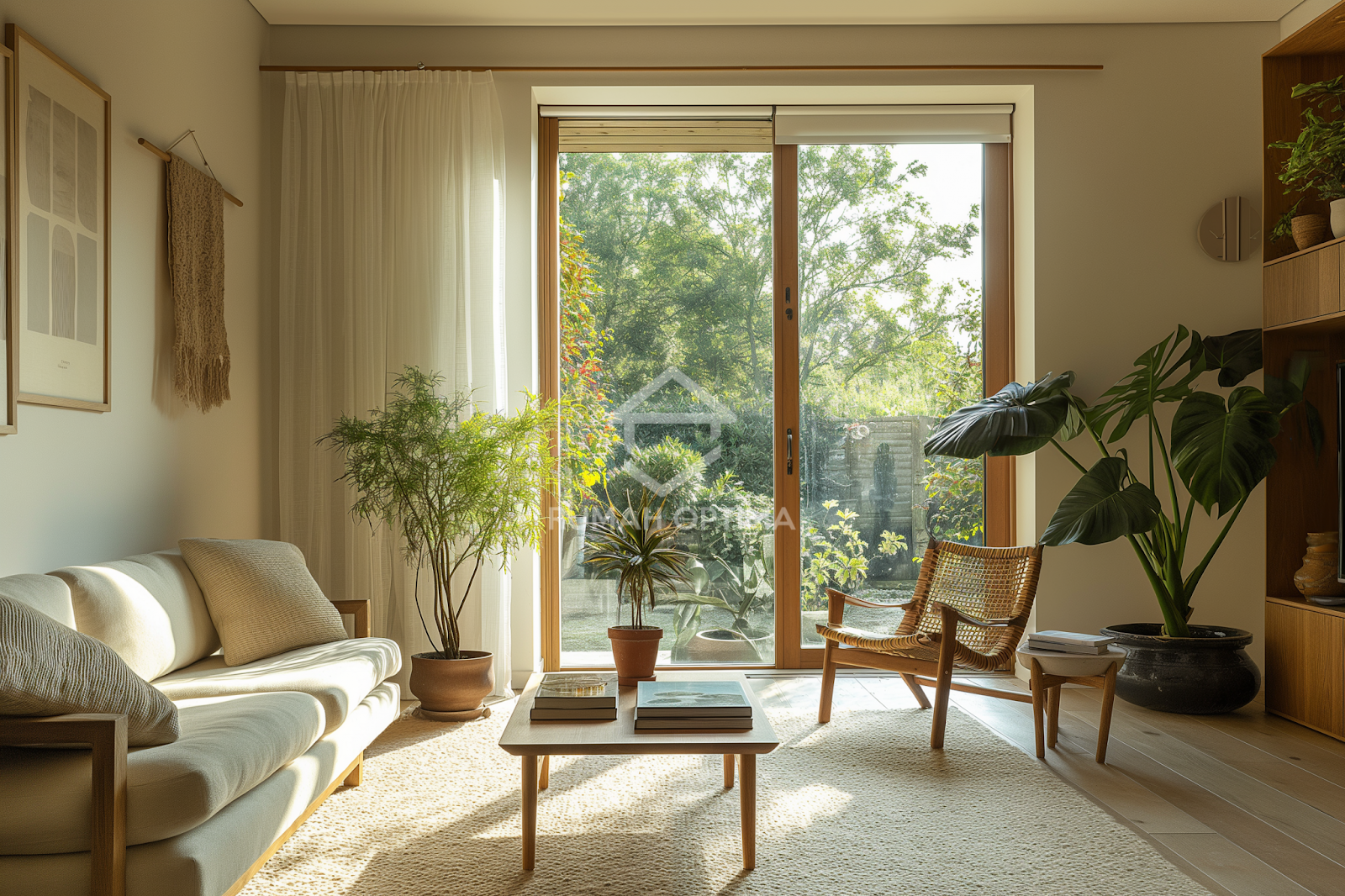
Understanding Biophilic Design: More Than Just Plants
The term “biophilia,” coined by E.O. Wilson, means “love of life or living systems.” Biophilic design, therefore, is about incorporating this love for nature into the places we live and work. It’s not a mere aesthetic trend; it’s a science-backed methodology that aims to reduce stress, improve cognitive function, and enhance healing by forging a stronger connection between people and nature.
Key aspects of biophilic design include:
- Direct Connection to Nature: This involves palpable elements like natural light, fresh air, plants, water features, and views of landscapes.
- Indirect Connection to Nature: This refers to the use of natural materials (wood, stone, bamboo), natural colors, textures, patterns that evoke nature (e.g., fractal patterns), and imagery of nature.
- Spatial and Place-Based Relationships: Designing spaces that mimic natural habitats, such as prospect (unimpeded views), refuge (enclosed, protected spaces), and mystery (partially obscured views that invite exploration).
For Indonesian homes, this means leveraging the abundant sunshine, tropical greenery, and rich array of local natural materials to create environments that not only look beautiful but also feel inherently calming and invigorating.
Practical Applications for Your Modern Indonesian Home
Implementing biophilic design in a modern Indonesian context is both natural and effective. Here’s how you can do it:
1. Maximize Natural Light (Daylighting)
- Large Windows & Glass Doors: Replace solid walls with large windows or sliding glass doors to blur the lines between indoor and outdoor spaces.
- Skylights & Lightwells: For deeper parts of the house or areas with limited wall space, consider installing skylights or creating small open lightwells to draw natural light deeper into the interior.
- Light-Colored Interiors: Use light and neutral colors on walls, ceilings, and large furniture pieces to reflect natural light throughout the room.
- Sheer Curtains: Opt for sheer, light-colored curtains that allow light to filter in while still providing privacy.
2. Incorporate Lush Greenery (Living Walls & Indoor Gardens)
- Indoor Plants: Beyond a few potted plants, consider a variety of sizes and species. Large leafy plants can define spaces, while smaller ones add detail.
- Vertical Gardens (Living Walls): These are perfect for limited floor space. A living wall not only looks stunning but also helps purify the air and regulate indoor temperature.
- Courtyards & Patios: Design inner courtyards or open patios that become central focal points, accessible visually and physically from multiple rooms. These can be miniature tropical oases.
- Herb Gardens: For the kitchen, a small indoor herb garden provides both fresh ingredients and a natural touch.
3. Integrate Water Features
- Small Ponds or Fountains: Even a modest indoor or outdoor water feature can provide soothing sounds and a sense of tranquility. The sight and sound of moving water have a naturally calming effect.
- Aquariums: A well-maintained aquarium can serve as a captivating focal point, bringing the mesmerizing movement of aquatic life indoors.
4. Utilize Natural Materials and Textures
- Wood, Stone & Bamboo: Incorporate locally sourced wood for flooring, furniture, or wall accents. Use natural stone for feature walls or bathroom surfaces. Bamboo can be used for screens, furniture, or decorative elements.
- Natural Fabrics: Choose cotton, linen, jute, or rattan for upholstery, rugs, and decorative items. These materials offer tactile warmth and an organic feel.
- Earthy Color Palettes: Draw inspiration from the Indonesian landscape. Think greens, blues, browns, and sandy tones to create a cohesive and calming atmosphere.
5. Leverage Views of Nature
- Strategic Window Placement: If you have a beautiful garden or a scenic view, position windows and seating areas to maximize these vistas.
- Framed Views: Treat windows as living art. Frame a particular tree, a patch of garden, or the sky as a natural painting.
The Benefits of Biophilic Living
The advantages of integrating biophilic design are numerous and well-documented:
- Improved Well-being: Reduced stress levels, enhanced mood, and greater overall happiness.
- Increased Productivity & Creativity: Better focus and problem-solving abilities, especially in home office settings.
- Better Air Quality: Plants naturally purify the air, removing toxins and producing oxygen.
- Enhanced Sleep: Exposure to natural light cycles helps regulate circadian rhythms, leading to better sleep.
- Higher Property Value: Homes that offer a strong connection to nature and promote well-being are increasingly sought after and can command a premium in the market.
Biophilic design is not just a trend; it’s a mindful approach to creating living spaces that nurture our inherent connection to the natural world. For modern Indonesian homes, this means embracing the tropical environment and local materials to craft serene, functional, and health-promoting sanctuaries. By thoughtfully integrating natural light, lush greenery, water elements, and organic textures, you can transform your home into a harmonious haven that not only looks beautiful but also profoundly enhances your quality of life. Embrace nature, and let your home thrive!